By Olli · Updated 29 September 2026
Thảo Điền is the neighbourhood I recommend most often to people moving to Saigon (Ho Chi Minh City) for the first time. English-speaking services, cafés, gyms and international schools make it easier to get through the first few weeks and start building a routine.
Living in Thảo Điền suits newcomers who value convenience and an established social scene, and families who want schools and everyday services nearby. The trade-offs are higher costs, uneven pavements, traffic and flooding on some streets. Your choice of street matters as much as your choice of neighbourhood.
In this guide: Streets · Food & coffee · Housing & rent · Transport · Schools · Trade-offs · FAQs
The expat bubble question
Thảo Điền is often dismissed as Saigon’s expat bubble. You can live here surrounded by familiar food and other foreigners, but the neighbourhood has older lives running through it. Long-established Vietnamese families, affluent newcomers, foreign residents and service workers share the streets, alongside studios, galleries and independent businesses.
Those groups do not necessarily share the same social world. A comfortable routine here can stay quite narrow. Learning Vietnamese, becoming a regular at local businesses and spending time beyond the familiar cafés are choices you still have to make.
Daily life in Thảo Điền
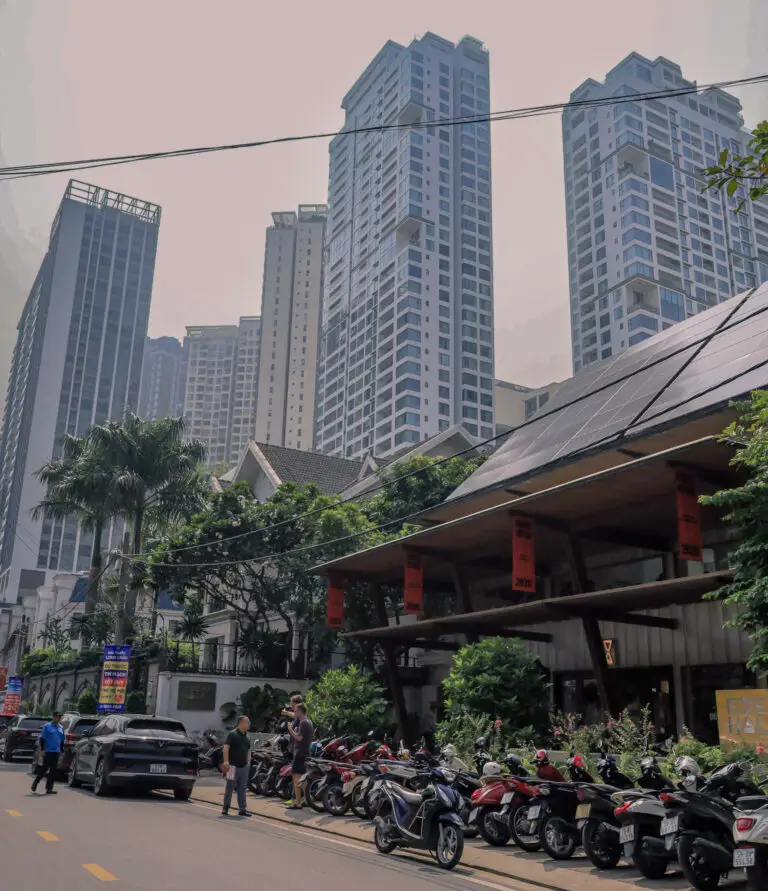
Thảo Điền is calmer than the centre, with quiet streets of villas, apartment buildings and mature trees, and busier pockets dense with cafés, restaurants, gyms and everyday services.
A day is easy to assemble. Coffee, a few hours of work, groceries, the gym, dinner with someone, none of it requires travelling far. And the places that make errands easy double as points of connection, which matters if you arrive alone or work remotely.
The best areas and streets in Thảo Điền
Quốc Hương
This is one of the neighbourhood’s most lively areas. Food stalls, cafés, gyms, minimarts and serviced apartments are concentrated along and around the street, so most daily needs are easy to handle nearby.
That convenience also makes Quốc Hương busy. Traffic builds at predictable times, and apartments facing the main road may be noisier than they appear during a quiet viewing. If you want a low-rise apartment and the ability to walk to everyday services, it is a sensible place to begin.
Xuân Thủy
Xuân Thủy is Thảo Điền’s social centre. Brunch spots, cafés, restaurants and wine bars sit close together, making this one of the easiest parts of the neighbourhood to explore on foot.
It is particularly appealing when you are new and want to meet people without planning too carefully. The trade-off is activity: this is not the pocket I would choose for complete quiet, and rents reflect its popularity.
Nguyễn Văn Hưởng and the riverfront
The quieter riverfront pockets offer a more residential side of Thảo Điền. Leafy streets, villas and higher-end apartment buildings create a more residential atmosphere, with occasional places opening directly onto the Saigon River.
These pockets can be peaceful and expensive, although noise varies by address. Daily errands can also be less convenient, particularly if your home sits deeper inside the riverfront streets. This is the pocket for people willing to pay for space and calm.
Modern high-rises and Vincom Mega Mall
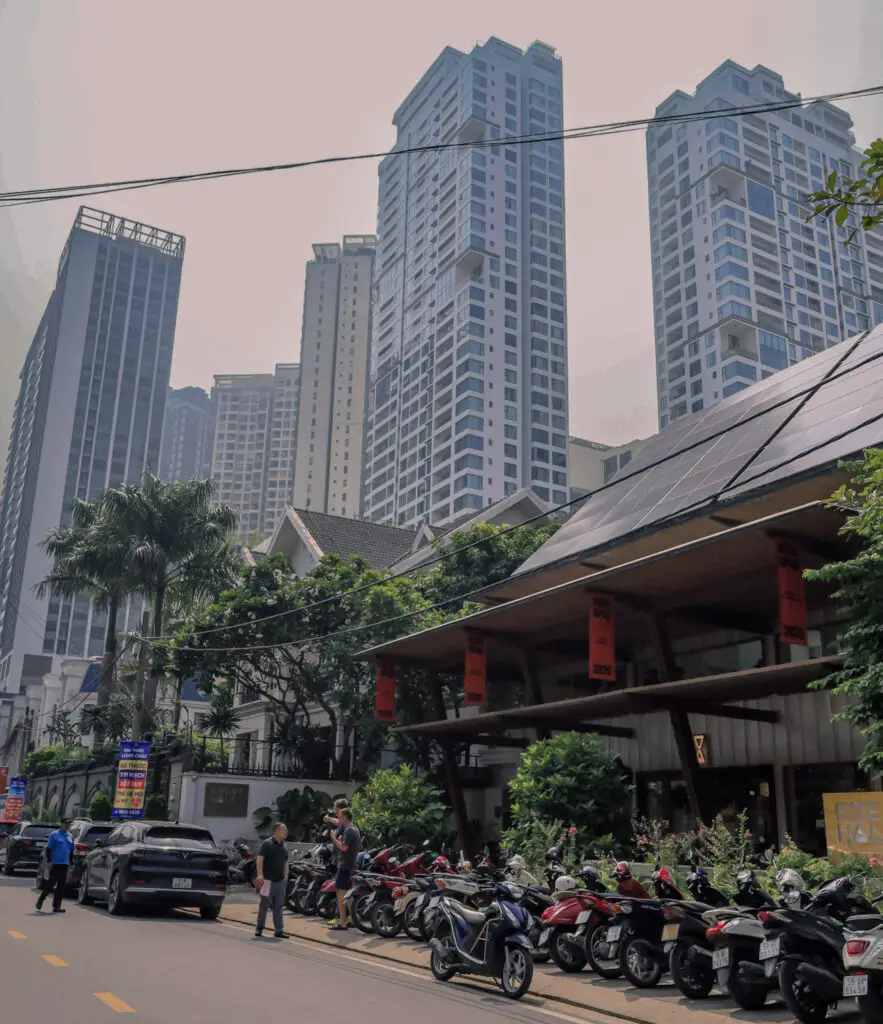
This part of Thảo Điền puts apartment facilities, shopping and transport close together. Modern high-rise apartments offer pools, gyms, security and professional management, while Vincom Mega Mall puts a supermarket, cinema, restaurants and shops close at hand.
Metro access is another major advantage. You gain convenience and predictable facilities, although the experience is more self-contained than living on one of Thảo Điền’s smaller streets.
The smaller alleys and hẻm
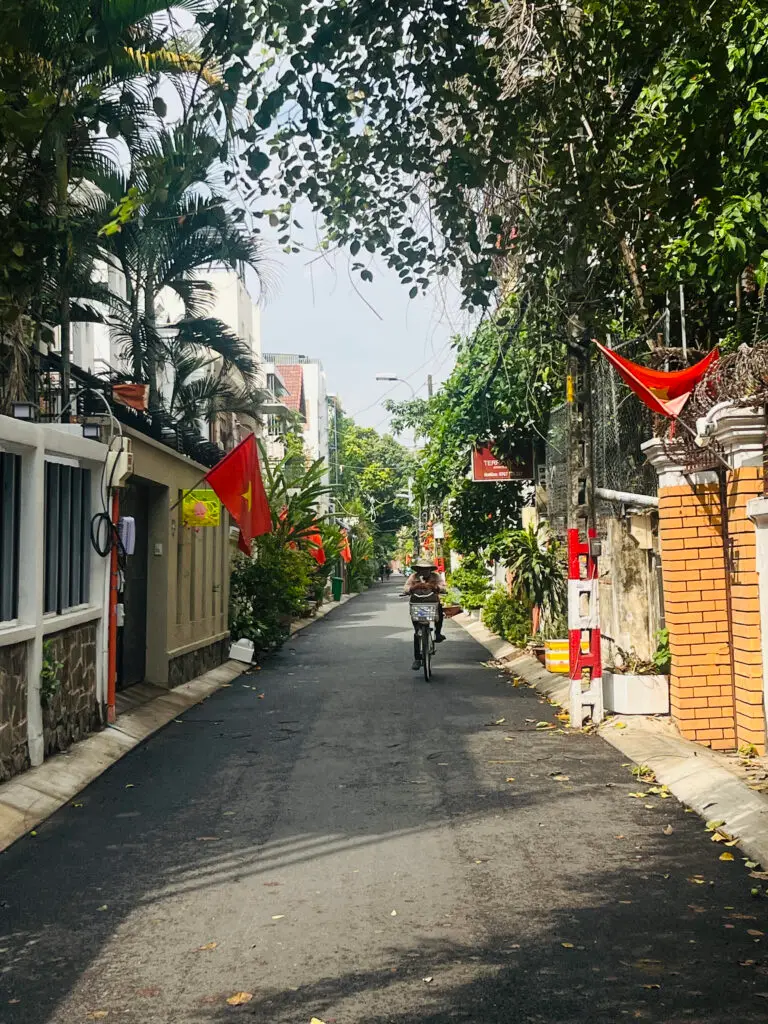
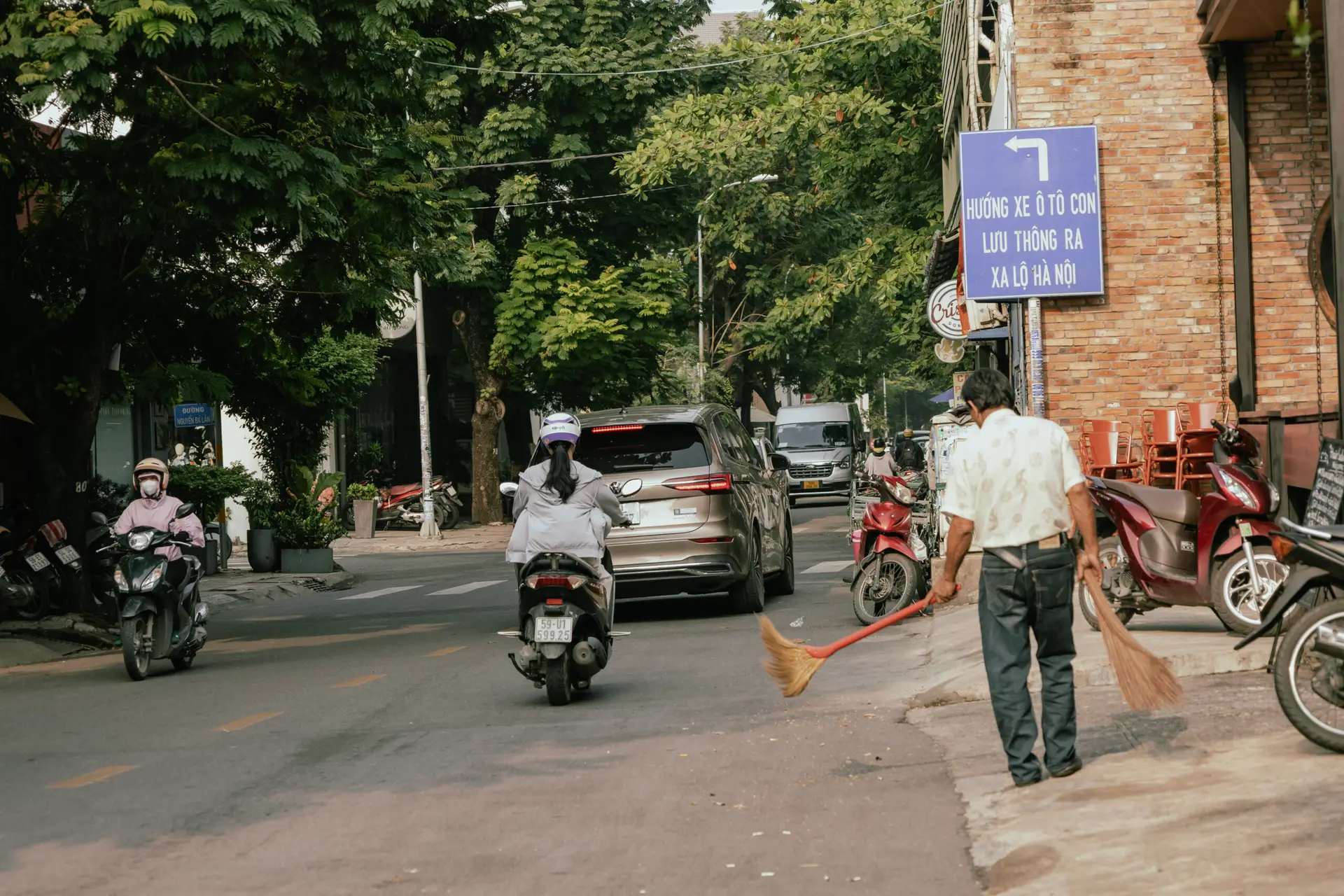
Some of Thảo Điền’s better-value apartments are hidden away from the main roads. These lanes contain family-run serviced apartments, local homes and quieter low-rise buildings.
They can feel more personal and cost less than the major compounds, but access, lighting, drainage and maintenance vary. If you are willing to search carefully, this is where some of the more interesting finds tend to appear.
Food, coffee and daily essentials
Thảo Điền has enough cafés and restaurants to make eating out part of your everyday routine. There are plenty of international options, but Vietnamese food deserves a place in that routine too. These are the places I would start with.
Hong Cafe is my favourite coffee shop in Thảo Điền. Tucked beside the river, it is my choice for a slower coffee and some fresh air. Twist is the neighbourhood café, a useful starting point when you are new and looking for somewhere to become a regular.
For Vietnamese food, I recommend Madame Lam. For a special dinner, Upstairs serves contemporary Vietnamese cooking and holds one Michelin star. They give you two places to explore Vietnamese food within the neighbourhood, alongside its international restaurants.
You can spend quite a lot here without noticing, particularly when coffee, meals out and evening drinks become daily habits. Mix those recommendations with the smaller local food stalls and restaurants around your home, and leave room to find your own favourites.
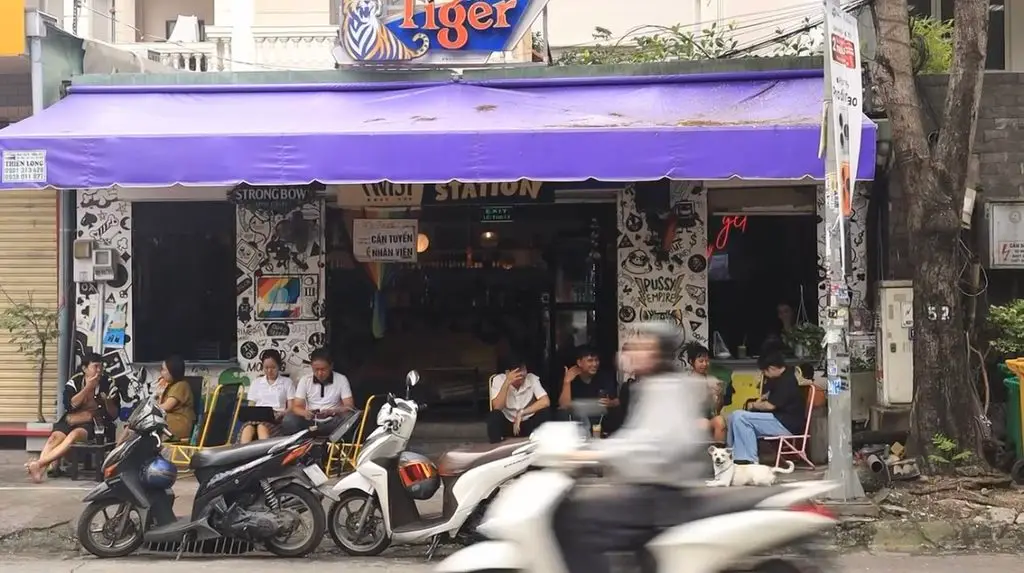
For groceries, Annam Gourmet covers premium imports, WinMart and convenience stores handle daily essentials, and Mega Market is useful for larger shops. Having those options nearby is convenient, but a shopping basket built around imported products can push up everyday costs.
For more ideas, explore happy hours in Thảo Điền and our guide to making friends in the neighbourhood.
Housing and rent in Thảo Điền
Thảo Điền’s rental market falls into three broad categories: low-rise serviced apartments, modern high-rise developments and villas.
Serviced apartments are the usual starting point for individuals and couples. Rent may include cleaning, Wi-Fi or water, but standards and inclusions vary.
High-rise developments such as Masteri, Gateway and Tropic Garden offer pools, gyms, security and more predictable building management. Villas provide space for families, pets or shared living, but maintenance, security and flood history require careful inspection.
| Housing type | Estimated monthly rent (USD) |
|---|---|
| One-bedroom | $500–$800+ |
| Two-bedroom | $900–$1,300+ |
| Villa | $4,000–$8,000+ |
These approximate monthly rent estimates were supplied to Perch by a Saigon realtor. Figures are in USD for furnished homes and are a starting point, not quotes or guaranteed market ranges. Prices vary by building, condition and lease length. Utilities and management fees may be additional; compare current listings and confirm all costs before signing.
Before signing a lease
Visit the property in person. Inspect the shared areas, listen for construction and traffic, test the water pressure and ask how the building is managed. Confirm the deposit, minimum lease, utility rates and every included service in writing. If you have a pet, put the landlord’s permission in the agreement. For villas and ground-floor homes, ask about the flood history of the exact property and its access road.
Transport, walking and Metro Line 1
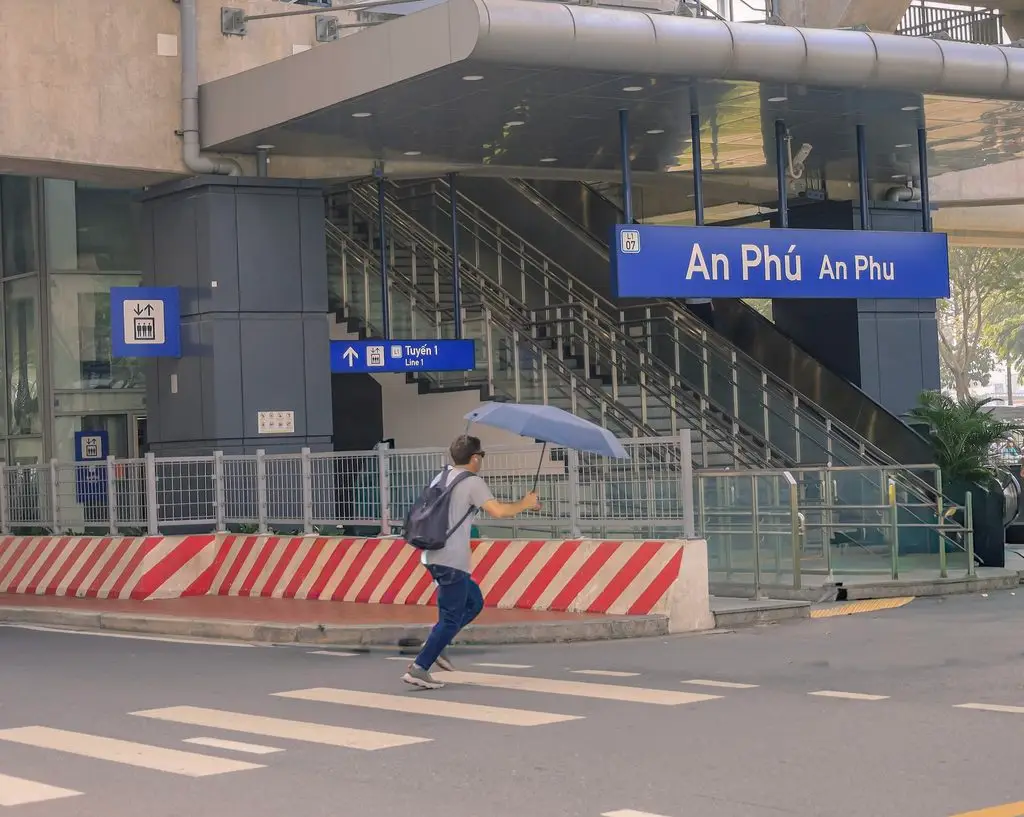
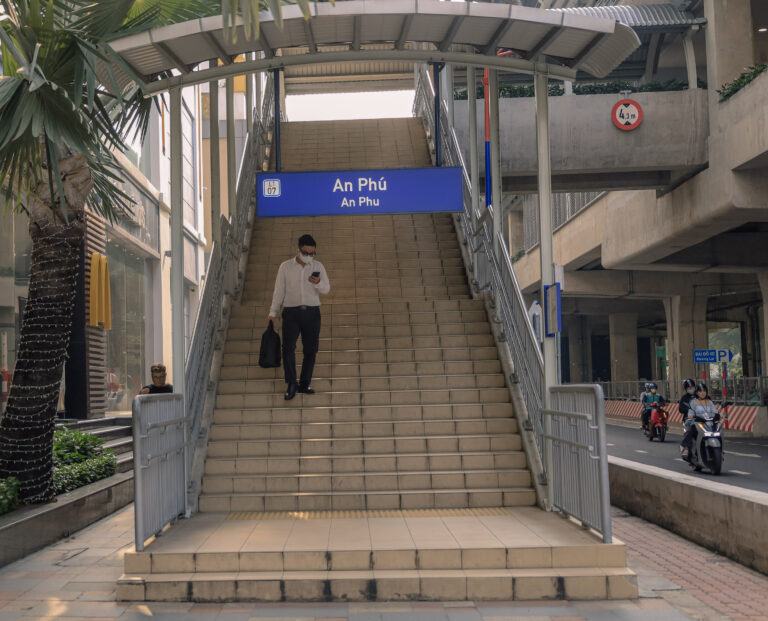
Metro Line 1 has changed the calculation for living in Thảo Điền. Stations at Thảo Điền and An Phú provide a direct connection toward central Saigon, making many journeys faster and more predictable than relying entirely on road traffic.
The station still needs to be convenient from your address. Thảo Điền is easy to walk within individual clusters but less consistent between them. A route that looks short on a map may involve broken pavements, a busy crossing or an unpleasant stretch of road.
Grab cars and motorbikes are widely available. Travel time to District 1 depends on your destination, the route and traffic around the bridges. If you expect to commute by road, test the journey at the time you will actually travel.
Walking works well if you choose the right pocket. Otherwise, a bicycle, motorbike or short Grab journey makes daily life considerably easier.
Schools and choosing a family home
Choose the school campus before choosing an apartment. For example, ISHCMC lists separate primary and secondary campuses: primary at 28 Võ Trường Toản and secondary at 1 Xuân Thủy. Being close to one does not mean being equally close to the other.
Confirm the campus for your child’s year group, available places, current fees and transport arrangements directly with the school. Then try the trip during drop-off or pickup. A nearby home can be convenient, but school traffic and the condition of the walking route deserve a look before you sign a lease.
The disadvantages of living in Thảo Điền
Thảo Điền’s convenience comes at a price. Rent is high, imported groceries carry a premium and a routine built around specialty coffee, boutique fitness and international restaurants can become expensive.
Flooding is highly specific. Some streets and access roads collect water after heavy rain while nearby properties remain unaffected. Ask what happened directly outside the property during the last serious downpour, how deep the water became and whether residents could still enter and leave.
School traffic is another thing to consider. Roads around international schools can become congested during pickup and drop-off. Day to day, Thảo Điền generally feels calm and secure, with traffic remaining the most obvious everyday hazard.
Should you live in Thảo Điền?
Choose Thảo Điền if you want:
- The easiest possible introduction to living in Saigon
- English to be widely spoken
- Natural opportunities to meet people
- A mix of Vietnamese and international residents
- International schools close to home
- Cafés, gyms, restaurants and imported groceries nearby
- Modern apartments or larger family homes
- A neighbourhood that works well for children or pets
- Direct access to Metro Line 1
Consider somewhere else if you want:
- Lower rent and cheaper everyday living
- Dense local street life outside your door
- A neighbourhood that pushes you to use Vietnamese every day
- Clubs and late-night energy close to home
- Consistent walkability throughout the area
- A short road commute to central Saigon during rush hour
Thảo Điền compared with other Saigon neighbourhoods
Compared with District 1, Thảo Điền is greener, calmer and more residential. It suits families and people who want space, but is less convenient if most of your life happens downtown.
Compared with District 3, it is easier for newcomers and stronger for international schools, modern amenities and English-speaking services. District 3 is more central, generally less expensive and more closely connected to Vietnamese street life.
Bình Thạnh offers modern apartments and quick access to both Thảo Điền and the centre, often for less money. It is younger, busier and less cohesive, with stronger local food and nightlife.
Phú Mỹ Hưng in District 7 offers a similarly comfortable family life, with planned streets, international schools and modern apartments. It feels more spacious and suburban but sits considerably farther from central Saigon.
I would choose Thảo Điền for the life it gives you during an ordinary week, not simply because it is where international residents are expected to live.
The Perch verdict
I love Thảo Điền for a first landing. Being able to sort out groceries, find a café and meet people nearby makes the beginning easier. I would choose the specific street carefully: walk your daily routes, check the noise and ask about flooding before committing to a home.
It costs more than many parts of Saigon, and it will not suit every commute. If the budget and journey work, it remains the place I would recommend most often to a newcomer.
Frequently asked questions about Thảo Điền
Yes. It is one of the easiest places in Saigon to settle. English is widely spoken, international services are close at hand and the neighbourhood has an established social scene.
It can be. Cafés, fitness studios, restaurants and events create natural opportunities to meet people. The population includes newcomers, long-term international residents and English-speaking Vietnamese residents.
It generally feels calm and secure, including after dark on the busier streets. Traffic, particularly around schools, is the more immediate everyday concern.
Parts are walkable, but walking is not always pleasant. Xuân Thủy and parts of Quốc Hương are easy to explore on foot, but conditions become less consistent between the main clusters.
The planning estimates in this guide are approximately US$500–800+ per month for a furnished one-bedroom, US$900–1,300+ for a two-bedroom and US$4,000–8,000+ for a villa. Actual asking prices vary widely; check current listings and whether utilities and management fees are included.
Some streets and properties can flood after heavy rain. Ask what happened outside the exact building during the last serious downpour and whether access remained possible.
Metro Line 1 serves Thảo Điền and An Phú. Its usefulness depends on how easily you can reach the station from your address, so test the complete journey before choosing an apartment.